


Global institutions
United Nations
Read the UN Charter and explore the work of the General Assembly.

Cinematic archive
Read the lives and ideas that shaped India, and explore the institutions that carry the work forward.
Cinematic archive
Read the lives and ideas that shaped India, and explore the institutions that carry the work forward.
Cinematic archive
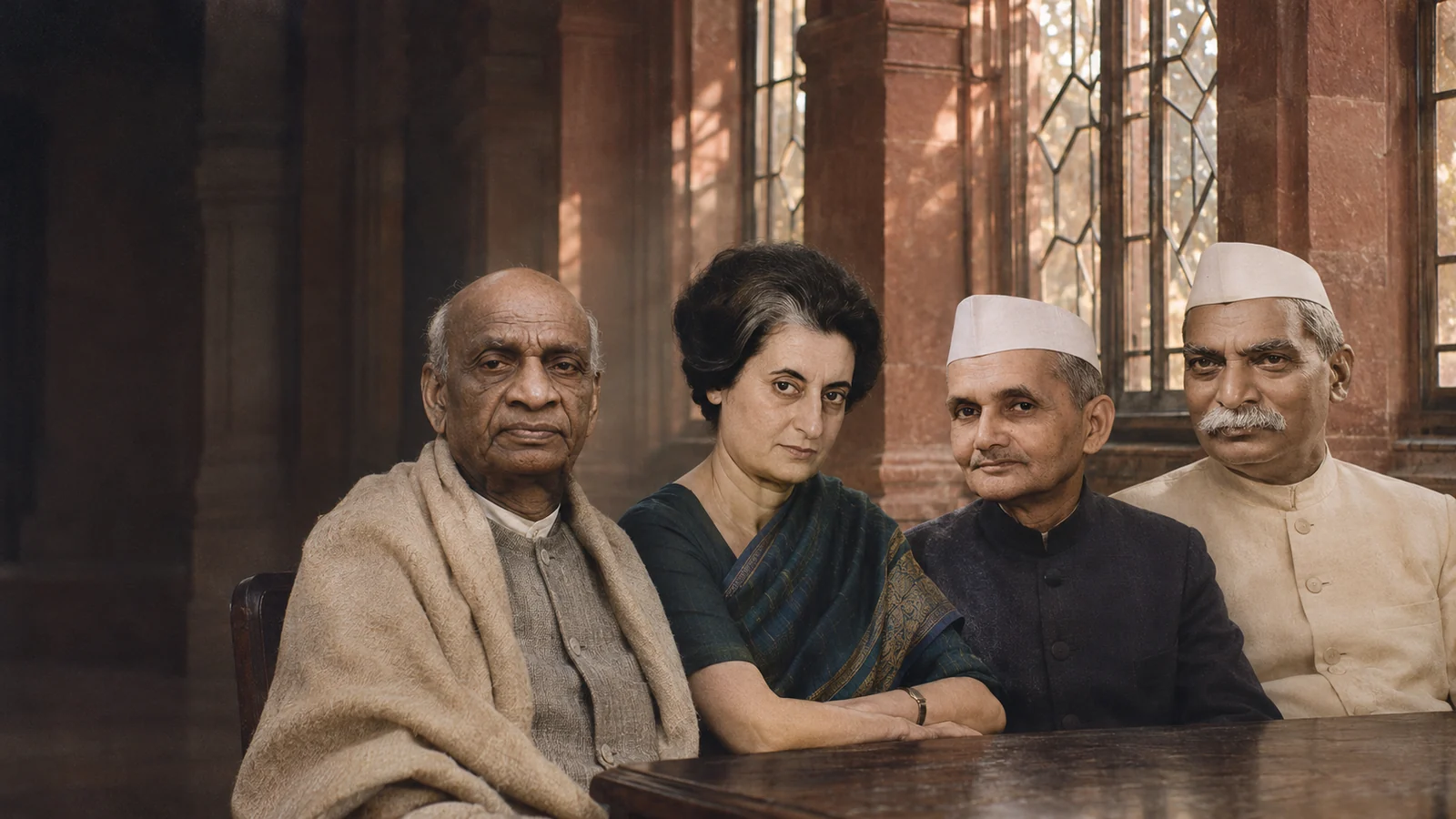
Four leaders and the institutions they helped build.

Cinematic archive
Follow Vajpayee and Advani through their years in Parliament and government.

Parliament of India
Open the life stories behind the Constitution, national institutions and economic development.

India and the World
Explore the United Nations, world parliaments and the institutions that connect India to the world.
Rise. Awake. Serve the society.

Washington, DC
Study the presidency and its place in American government.
Rise. Awake. Serve the society.

New Delhi
Explore the Lok Sabha, the Rajya Sabha and how an idea becomes a law.

Moscow
Explore the lower house of Russia’s federal legislature.
Rise. Awake. Serve the society.

Beijing
Study the role and structure of China’s national legislature.
Rise. Awake. Serve the society.

Westminster
Explore the House of Commons, the House of Lords and the traditions of Westminster.
Rise. Awake. Serve the society.

Jerusalem
Explore the Knesset and its role in Israel’s parliamentary system.
Rise. Awake. Serve the society.


Jobs and opportunity
From constituency work to the Lok Sabha opposition, follow his case for productive jobs, domestic manufacturing and wider opportunity.
Rise. Awake. Serve the society.


Equality and the Constitution
Discover the economist and constitutional thinker who helped give equal citizenship the force of law.
Rise. Awake. Serve the society.

Self-rule and public action
Follow the journey from satyagraha to the Salt March, and the continuing relevance of self-rule and the dignity of work.
Rise. Awake. Serve the society.

Infrastructure and inclusion
Explore the expansion of financial access and infrastructure, and the economic milestones recorded during his premiership.
Rise. Awake. Serve the society.

Farms, finance and space
From expanded rural banking and food production to Aryabhata, explore the public institutions that grew during her premiership.
Rise. Awake. Serve the society.
Building the republic
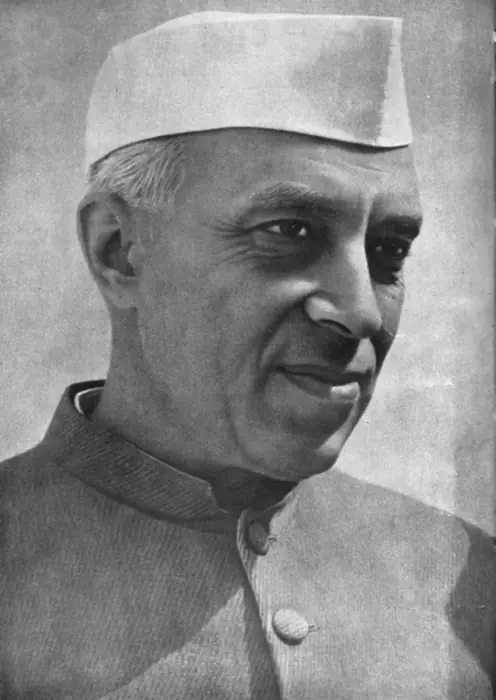
From the Objectives Resolution to engineering, medicine and power, follow the first prime minister’s work of building institutions.
Rise. Awake. Serve the society.

Connectivity and dialogue
Explore his years in Parliament, the work of leading coalitions and the ambition to connect India by road.
Rise. Awake. Serve the society.

Farmers and cooperatives
Follow Shastri’s public life and the steps that put farmers and dairy cooperatives at the centre of national development.
Rise. Awake. Serve the society.

Political thought and global leadership
Explore leaders’ lives, public ideas and contributions across the world.
Rise. Awake. Serve the society.

The Preamble
Start with the Preamble, then follow the ideas, debates and rights that give it meaning.

Constituent Assembly
Study the Constituent Assembly of India, the framers of the Constitution and their debates on citizenship, rights and federalism.
Book in development
From the first questions of citizenship to the work of public representatives, administrators and policy advisers.
Explore the bookGlobal institutions
Read the UN Charter and explore the work of the General Assembly.

Comparative government
Compare legislative chambers and parliamentary traditions.

Political biography
Explore political biographies and the institutions in which leaders serve.

An economy that makes more room for people

Giving equality the force of law
Self-rule begins with what people can do

Building scale and extending access
Building national capacity, from farms to space
Institutions for a young republic
A learning path for ages 18–80
Choose a field of study, follow the evidence, and apply what you learn to a question in public life.
Study Parliament, elections, courts and the constitutional choices behind them.
Compare world leaders, political thinkers and democratic traditions across countries and eras.
Read public budgets, identify who represents you, and trace where government decisions are made.
Work through simulations, make a committee recommendation and test your ideas in reading circles.
THE EDITOR’S SHELF
Six self-paced pathways for understanding political leadership, public policy and the responsibilities of public life.

Parliament
Follow an ordinary Bill from introduction to assent, try a committee decision and open the official record of a real Bill.
Democracy and political thought
Indian socialism, caste and gender equality, and the Four-Pillar State
Constitution and nation-building
Negotiated the integration of princely states and championed the All India Services as part of building a durable Union.
Constitution and nation-building
Chaired the Constitution’s Drafting Committee and argued that democracy required social equality and the abolition of caste.
Education and social reform
Girls’ education and access to learning across caste barriers
Study the Constituent Assembly of India, the framers of the Constitution and their debates on citizenship, rights and federalism.
People. Ideas. Participation.
Learn together, exchange ideas and take part in public life. Membership is free.
Join the communityPEOPLE, POWER & POLITICAL IDEAS
Explore Indian leadership, global biographies and the thinkers who asked how we should live together. Follow a life story, compare an argument, or begin a new reading path.
A clear place to begin
Build a clear foundation in public institutions, political ideas and participation.
Build your foundation with guided introductions to political and civic life.
Explore this topicExplore the words and concepts used in institutions, public policy and civic debate.
Explore this topicUnderstand public institutions, responsibilities and the questions behind everyday services.
Explore this topicExplore bills, source records and the steps through which proposals become law.
Explore this topicRead global biographies and place public leadership in its historical and national context.
Explore this topicFollow the organisations and institutions through which countries cooperate and make decisions.
Explore this topicExplore reformers, organisers and public thinkers through the Academy’s existing profiles.
Explore this topicStudy party histories, political traditions and the ideas behind public programmes.
Explore this topicExplore civic participation, community questions and practical ways to organise local evidence.
Explore this topicThe making of the republic
Study the Constituent Assembly of India, the framers of the Constitution and their debates on citizenship, rights and federalism.
Read founding profiles and the arguments that helped shape constitutional government.
Explore the historyExplore the existing directory of 399 Constituent Assembly records.
Explore the historyStudy debates on citizenship, rights, representation and federalism.
Explore the historyA lawyer who turned organised non-cooperation into a mass politics of self-rule, while asking how freedom should change everyday social relationships.
Read the profileA thinker of equal citizenship who asked whether political rights could become secure while caste continued to organise social life.
Read the profileAn internationalist and parliamentary leader whose project for independent India joined democratic institutions, economic planning and scientific inquiry.
Read the profileA lawyer and Gandhian organiser who helped a revolutionary movement learn the disciplines of a constitutional republic.
Read the profileFrom peasant campaigns and municipal administration to the difficult construction of a united Indian state.
Read the profileA career of organisation and administration, followed by a short premiership tested by war, food insecurity and the demands of accountability.
Read the profileV. P. Singh at Political Academy: representation, public integrity and the difficult arithmetic of coalition government.
Read the profileIndira Gandhi at Political Academy: popular authority, state-led development, national security and the constitutional cost of concentrated power.
Read the profileAtal Bihari Vajpayee at Political Academy: parliamentary persuasion, coalition government, nuclear policy and the obligations of national leadership.
Read the profileMandela trained as a lawyer and became an organiser in the African National Congress. After 27 years in prison, he helped negotiate the transition from apartheid and took office after South Africa’s first national election open to all races.
Read the profileUses dialogues to test whether justice can organize both a person’s life and an entire city.
Explore the ideasAmbedkar saw political equality as fragile wherever people faced entrenched social and economic inequality.
Read the profileIndian socialism, caste and gender equality, and the Four-Pillar State
Read the profileCompare freedom from interference, the practical ability to act, and how people develop agency through their communities.
Study the ideaJohnson Sirleaf worked in finance and public administration before entering the presidency in 2006. She became Africa’s first democratically elected woman president amid Liberia’s recovery from civil war.
Read the profileCompares constitutions and asks how different ways of sharing public office serve different ideas of justice.
Explore the ideasNehru framed independence as a transfer of political authority to the people and a promise of equal citizenship.
Read the profileTotal Revolution, citizen organisation and democratic accountability
Read the profileStudy the institutions responsible for inherited inequality in three distinct settings. Compare what voting, education and professional life reveal about equal citizenship.
Study the ideaMaathai began her career in academia and founded the Green Belt Movement in 1977. After years of environmental and democratic activism, she was elected to Kenya’s Parliament and appointed an assistant environment minister.
Read the profileThe traditional name associated with the Arthashastra, a layered Sanskrit work on rule, administration and diplomacy.
Explore the ideasPatel guided negotiations on political safeguards and represented the government’s work on the position of the states.
Read the profileThe drain of wealth and the economic case for self-government
Read the profileSeparate three questions: why people accept rule, how government works, and why a dynasty retains power.
Study the ideaDetailed profiles and reading open through the Academy’s free membership. Image credits


